
Post author: Royalcig
Publication date: 05/11/2026
Is your e-cigarette leaking through the airflow, under a pod cartridge or after refilling? Learn how to tell condensation from a real leak, check seals and coils, and troubleshoot the problem safely.
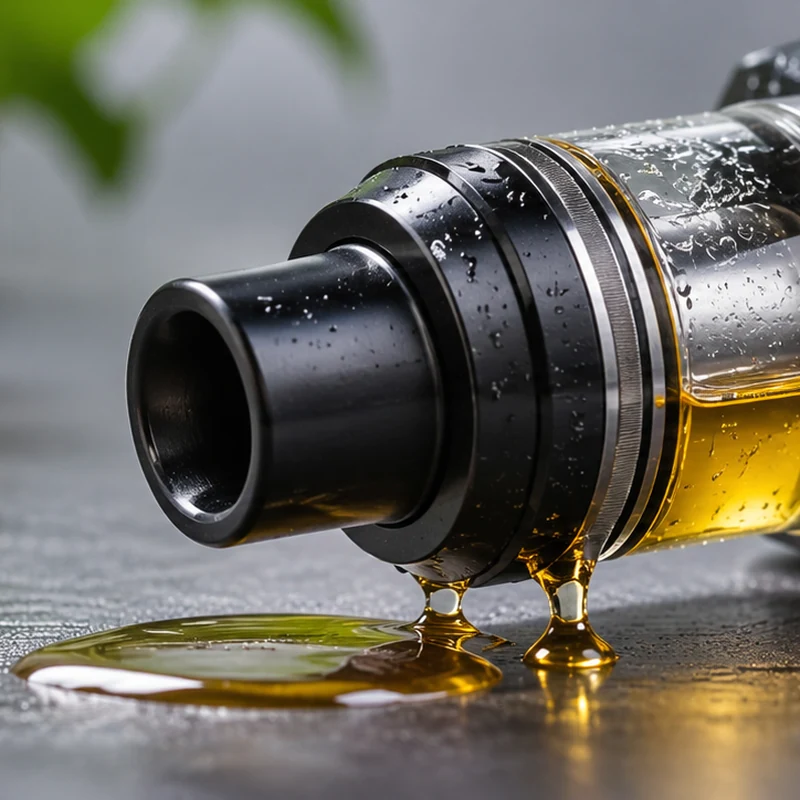
Have you found e-liquid underneath your e-cigarette, around the pod cartridge or in the airflow openings? Leaks can occur in both compact pod systems and clearomisers with replaceable coils. This does not necessarily mean the device is faulty: overfilling, a displaced seal or an incorrectly fitted coil may be enough to cause a leak.
Before replacing any component, the most useful step is to identify exactly where the liquid is appearing. A small amount of condensation requires a different response from a cracked tank or a leak that reaches the electrical contacts.
This troubleshooting guide covers the most common causes, checks you can carry out safely, and situations in which you should stop using the device.
What should you do immediately if your e-cigarette is leaking?
If you notice a significant leak, start with a few simple precautions:
- Stop using the device and switch it off if the model allows you to do so.
- Remove the pod or clearomiser using the method specified by the manufacturer.
- Wipe away any visible liquid with absorbent paper or a clean cloth, without pushing it towards connectors or openings.
- Inspect the tank, coil, seals and filling cap before refilling.
- Do not charge the device if liquid has entered the USB port, battery or electronics. Have it checked before using it again.
If nicotine-containing e-liquid comes into contact with your skin, wash the affected area with water. Keep bottles and cartridges out of reach of children and animals.
Leak or condensation: how can you tell the difference?
This is the first distinction to make. A little moisture at the bottom of a pod cartridge does not always indicate a genuine leak. During use, some vapour can condense inside the air channel and form tiny droplets. These can then appear near the mouthpiece or on the pod contacts.
Signs that suggest condensation rather than a leak
- A few isolated drops after using the device.
- A light film of moisture inside the cartridge compartment.
- The moisture disappears after wiping and the tank does not lose liquid.
Signs of a genuine leak
- Liquid quickly builds up beneath the tank or in the airflow openings.
- The e-liquid level falls even when the device is not being used.
- Liquid reappears immediately after cleaning.
- The filling cap, glass or cartridge has a visible crack or defect.
Important: repeated condensation build-up also needs cleaning, particularly near electrical contacts. If the problem persists or gets worse, look for a sealing issue.
Where is the leak coming from? Diagnosing it by location
Liquid is coming out through the airflow holes
When liquid escapes through the air intake openings, the coil may be flooded, incorrectly inserted or not sealing properly. Also check the fill level and whether the liquid is suitable for the system. With some clearomisers, pouring e-liquid into the central air tube causes it to flow straight out through the airflow.
Liquid appears underneath a pod cartridge
Carefully remove the cartridge and wipe its base and any accessible contacts. Check the filling plug and look for cracks. A damaged cartridge with a built-in coil generally cannot be repaired and will need replacing.
The leak is near the filling cap or top of the tank
Check that the cap or lid is properly closed, that its seal is in place and that no residue is preventing it from closing. Filling beyond the maximum mark can also cause overflow.
Liquid is rising into the mouthpiece
A wet mouthpiece may be caused by condensation or a flooded coil. Unusual gurgling makes excess liquid in the air channel more likely. If liquid spits into the mouthpiece, stop using the device and inspect the system before continuing.
The eight most common causes of a leaking e-cigarette
1. The tank has been overfilled
Many tanks need a small air gap after filling. If the maximum fill level is exceeded, closing the tank or a temperature change can force liquid into the air channels. Follow the fill mark and the instructions for your model. Never pour e-liquid into the central air tube of a clearomiser.
2. The coil is not fitted correctly
A coil that is not fully screwed in, or a push-fit coil that has not been inserted all the way, can allow liquid to escape around its base. Only remove it when the device is switched off and has cooled down, then check its position, seals and compatibility. Never force a thread or overtighten the coil.
3. A seal is displaced, worn or missing
Seals are essential: they prevent liquid from passing between the glass, base, coil and caps. A pinched, torn, flattened or missing seal can cause leaking even with a brand-new coil. Clean the contact surfaces and replace any damaged part with a suitable replacement.
4. The e-liquid is too thin for the device
The PG/VG ratio affects e-liquid viscosity: with comparable formulations, a higher proportion of propylene glycol (PG) generally makes the liquid thinner, while vegetable glycerine (VG) makes it thicker. A liquid that is too thin for the wicking openings of a coil can make leaking more likely.
However, there is no universal ratio that prevents every leak. A 50/50 PG/VG blend suits many devices, but not all of them. Conversely, liquid that is too thick may not feed some smaller coils effectively and can cause a burnt taste. The right choice depends on the coil and cartridge manufacturer's recommendations.
5. The coil is worn out or flooded
Over time, the absorbent material and coil become dirty or deteriorate. Liquid delivery can become uneven, causing the tank to gurgle or seep. A worn or damaged coil needs replacing; wiping its exterior does not repair the heating element.
An unsuitable power setting can also contribute to flooding on some devices. If your device is adjustable, stay within the manufacturer's recommended wattage range rather than increasing the power arbitrarily to try to stop a leak.
6. The filling plug is not fully closed
Some pods use a small silicone plug to keep the cartridge sealed. If it is not fitted properly, or its tab is damaged, liquid may escape when the cartridge is tilted. Gently clean the filling area, close it as directed in the instructions and check that the plug sits flush.
7. The tank has been knocked or exposed to pressure changes
Even a small crack in plastic or glass can make a tank unusable. Changes in temperature and pressure — such as a hot car, travelling at altitude or flying — may also encourage leaks. Avoid direct sunlight, extreme temperatures and carrying a tank filled to its maximum capacity. Always follow airline rules and the manufacturer's guidance.
8. The air channel and contacts have not been maintained
Condensation and small amounts of residue can build up during use. Regularly wiping accessible areas helps you spot problems early. Do not put liquid cleaning products inside the electronic body, and do not immerse a cartridge with an integrated coil or electronics in water unless the manufacturer explicitly instructs you to do so.
How to fix a leak: a seven-step inspection
- Identify the source. Note whether liquid is escaping from the top, the airflow, underneath the pod or the mouthpiece.
- Switch off and separate the components. Remove the tank from the device where the design allows it.
- Clean accessible surfaces. Wipe away traces of liquid, particularly around the cap and connection, without wetting the electronics.
- Check the parts. Look for a missing seal, a crack, a distorted plug or an incorrectly positioned coil.
- Reassemble without forcing anything. Refit each component according to the instructions and check the coil's orientation.
- Fill correctly. Respect the maximum fill level, keep e-liquid out of the central air channel and close the cap carefully.
- Monitor the result. Leave the tank upright on a protected surface. If liquid reappears, do not keep trying: replace the faulty part or have the device checked.
After installing a new coil, always allow the soaking time specified by the manufacturer before use. This helps prevent premature damage to the absorbent material.
Leaking pods: cartridge-specific issues
In a pod system, the cartridge sits directly above the device. It is therefore important to distinguish a little condensation on the contacts from a continuous leak. Auto-draw models may have sensors and air openings near the cartridge compartment: prevent liquid from collecting there.
Pods with built-in coils
The coil is part of the cartridge. If the cartridge is cracked, its internal seal no longer works, or the problem continues despite correct filling, you will generally need to replace the whole cartridge. Do not try to pry open or repair a sealed component.
Pods with replaceable coils
First check that the coil is fully pushed in or correctly screwed in, depending on the model, and that its seals are intact. A coil that looks similar but is not designed for the cartridge may not provide a proper seal.
Leaking clearomisers: why airflow placement matters
A clearomiser has a tank, coil and air intakes whose positions vary from one model to another. With bottom airflow, excess liquid in the coil can escape more directly through the base. In a top-airflow system, that route is usually less direct, but condensation and leaks caused by damaged seals or components can still occur.
When reassembling, check the condition of the glass, seals and threads. Some clearomisers also require a particular airflow position during refilling: follow the instructions for your device rather than a single rule for every model.
Everyday habits that help reduce leaks
- Observe the maximum capacity and use the correct filling opening.
- Close the cap carefully without forcing any parts.
- Where possible, keep the device upright when not in use.
- Avoid leaving it in a sun-exposed car or a very hot environment.
- Regularly inspect seals, the tank and accessible contacts.
- Only use cartridges and coils confirmed as compatible with your model.
- Follow the PG/VG ratio and settings recommended by the manufacturer.
- Replace a cracked cartridge, damaged seal or faulty coil rather than continuing to use it.
When should you stop using the device?
A leak that reaches the electronics requires particular care. Do not connect the charging cable if e-liquid is present in the USB port or appears to have entered the casing. Do not use a device showing unusual overheating, a damaged battery or an electrical fault.
If the tank is broken, a seal cannot be repaired, or there is a significant persistent leak, stop using the device until the part is replaced or the device has been checked by a professional. Do not open a built-in battery to try to clean it.
FAQ: questions about leaking e-cigarettes
Why does my e-cigarette leak immediately after refilling?
The tank may have been overfilled, the cap may not be properly closed or e-liquid may have entered the air channel. Check the maximum fill level, closure and seals before using it again.
Why is my clearomiser leaking through the airflow holes?
The coil may be flooded, incorrectly fitted or surrounded by a defective seal. Filling through the central tube or using liquid that is too thin for the coil can also encourage leaking.
Is it normal to find a few drops underneath a pod?
A few droplets may be condensation. Wipe them away and see whether they return. A substantial or recurring amount, particularly if the liquid level drops, is more likely to indicate a leak that needs investigating.
Can a brand-new coil cause a leak?
Yes, especially if it has not been installed correctly, a seal has moved or the coil model does not fit the tank. A new component does not automatically guarantee a watertight seal.
Why does my e-cigarette leak in my pocket?
Tilting, movement, heat or pressure on the cap can encourage a leak if the tank is overfilled or not properly closed. Avoid carrying it filled right to the brim and protect the device against knocks.
Can 50/50 PG/VG e-liquid cause leaks?
Yes, if its viscosity does not suit the cartridge or coil being used. A 50/50 blend is common, but it is not suitable for every device. Check the manufacturer's recommendations.
Why does e-liquid rise into the mouthpiece?
This may be condensation or a flooded coil. Repeated gurgling and spitting are reasons to stop using the device and inspect the filling, coil and air channel.
Do I need to replace the whole cartridge if a pod leaks?
Not always. An improperly closed plug or condensation can often be dealt with. However, a cracked, sealed cartridge that no longer holds liquid properly generally needs replacing. Some models allow only the coil to be changed.
Can an e-cigarette leak when it is not being used?
Yes. A damaged cartridge, faulty seal, unsuitable liquid or a change in temperature or pressure can cause liquid to escape while the device is idle.
Can I charge an e-cigarette after a leak?
Not if liquid has reached the charging port, internal contacts or electronic casing. Stop using the device and have it checked before plugging it in. Simply wiping the outside cannot confirm that the inside is dry and safe.
Key points to remember
If you have a leaking e-cigarette, first distinguish condensation from a genuine loss of e-liquid. Then identify the affected area: cap, coil, airflow, cartridge or mouthpiece. In many cases, checking how the tank was filled and whether the seals are intact helps explain the problem. However, a cracked part, a persistent leak or liquid inside the electronics means you must stop using the device and have it checked.
This guide provides general advice. Always give priority to the instructions supplied by your device's manufacturer.