

Post author: Royalcig
Publication date: 20/11/2026
Is your electronic pipe not switching on, flashing or producing vapour? Here are practical checks for Kamry and Créavap without unsafe disassembly.
An electronic pipe that has stopped working is not necessarily permanently broken. The problem may involve a flat battery, an electrical connection, a coil or an electronic protection feature. Before replacing anything, first establish whether the device is completely unresponsive or switches on but produces no vapour.
There is an essential difference between an e-pipe with a built-in battery, such as the Kamry K1000 Plus, and a pipe using a removable battery cell, as found in several Créavap models. Some devices are mechanical, while others have regulated electronics. Any checks must match the exact version you own.
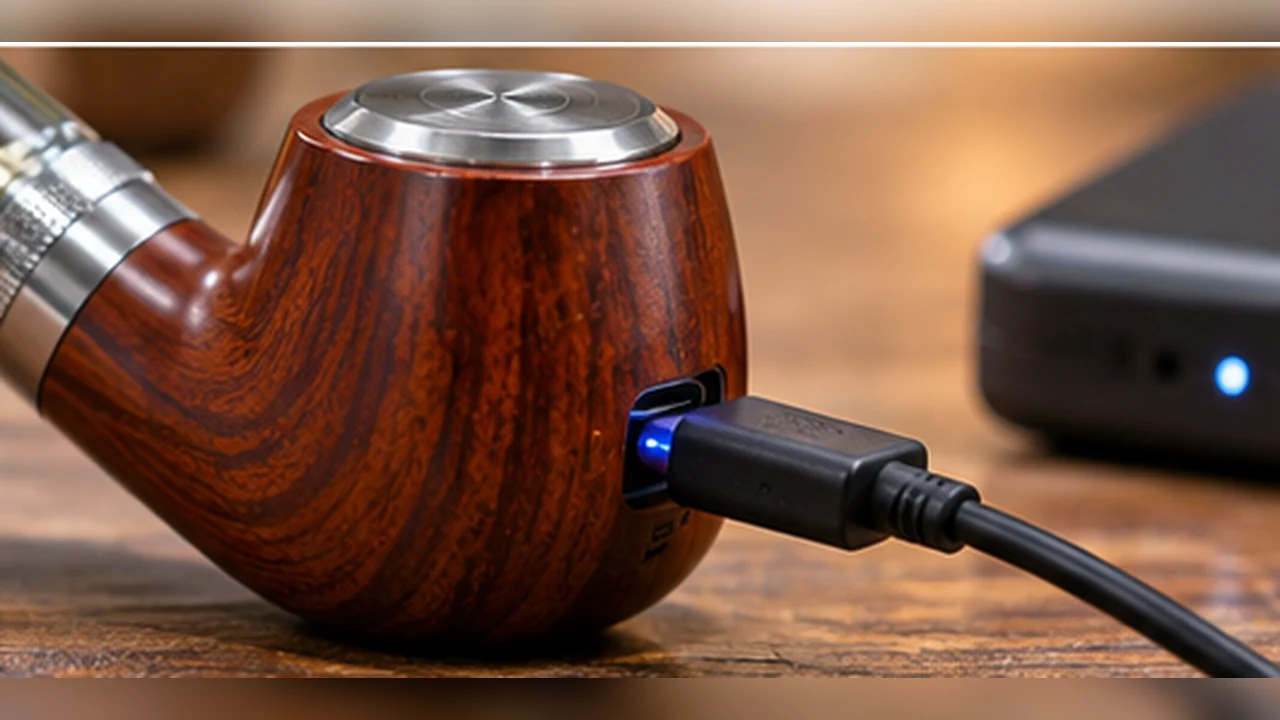
1. Identify the symptoms before handling the device
An e-pipe that does not respond to its button may be switched off, discharged or affected by a poor contact. If an indicator lights up but no aerosol is produced, the issue may lie with the atomiser or coil. Flashing lights can indicate protection circuitry, but their meaning differs between models.
Observe exactly what happens: no light, flashing indicators, intermittent operation, unusual heat, or a working button with no vapour. This initial observation helps avoid unnecessary testing. If the device heats up on its own or produces an unusual smell, stop using it immediately.
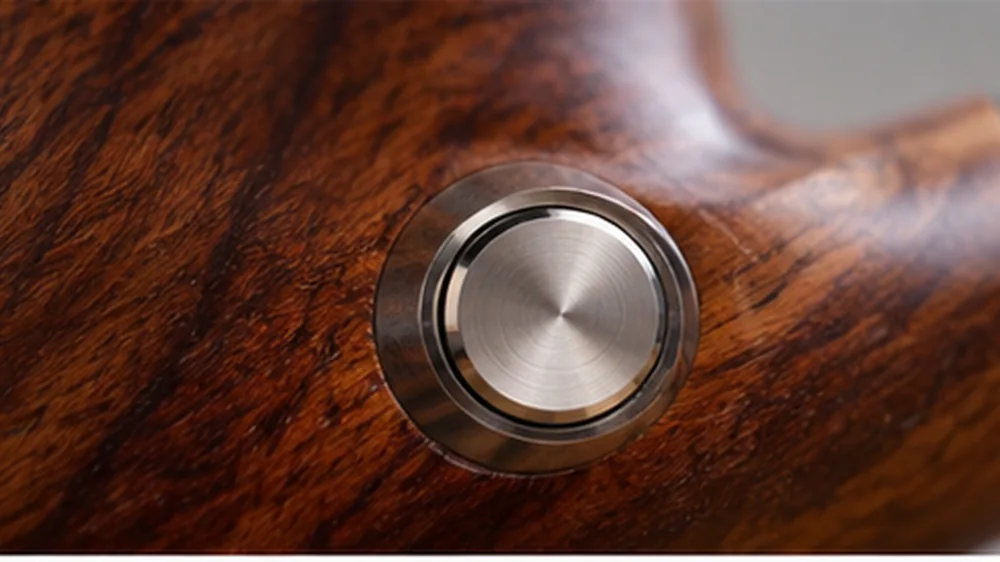
2. E-pipe will not switch on: check the battery
For a pipe with a built-in battery, follow only the charging procedure described in the manual. Visually inspect the cable and charging port without inserting any objects into the connector. A battery that remains unresponsive after correct charging may need professional assessment.
With a removable battery cell, check the manufacturer’s specified size, indicated orientation and external condition. A 18350 cell and a 18650 cell differ in size and are not interchangeable. Never use a swollen, misshapen or damaged cell, including one with a torn insulating wrap. The charger must also be suitable for that cell.
The differences between battery types and models are explained in our guide to how electronic pipes work.
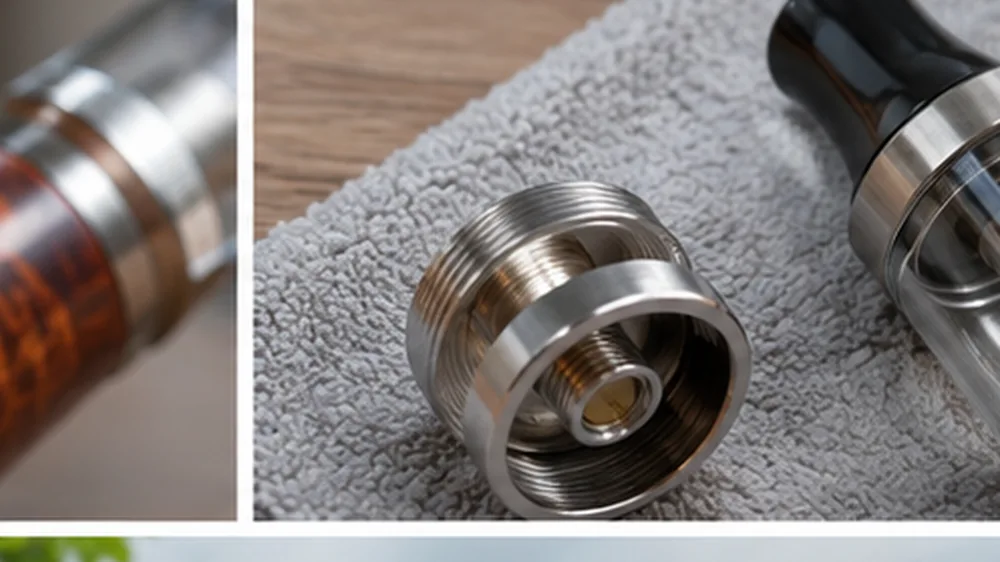
3. Pipe switches on but produces no vapour: check the atomiser
If the indicator operates normally but the device does not heat, a faulty coil, incorrectly fitted atomiser or poor electrical contact may be responsible. Once the device has been switched off and allowed to cool, inspect only accessible parts intended for routine maintenance. Never force a tank into its threads.
A 510 connection alone does not guarantee that an atomiser is electrically compatible. Check the coil resistance, device operating limits and clearomiser model as well. A worn or incompatible coil can prevent operation. If the manual permits it, fitting the specified compatible replacement may help identify the issue.
Never lever a connection pin with a tool in an attempt to restore contact. A deformed, corroded or damaged component needs proper inspection rather than improvised repair. If you notice a burnt taste, stop testing: the coil may not be receiving enough e-liquid.
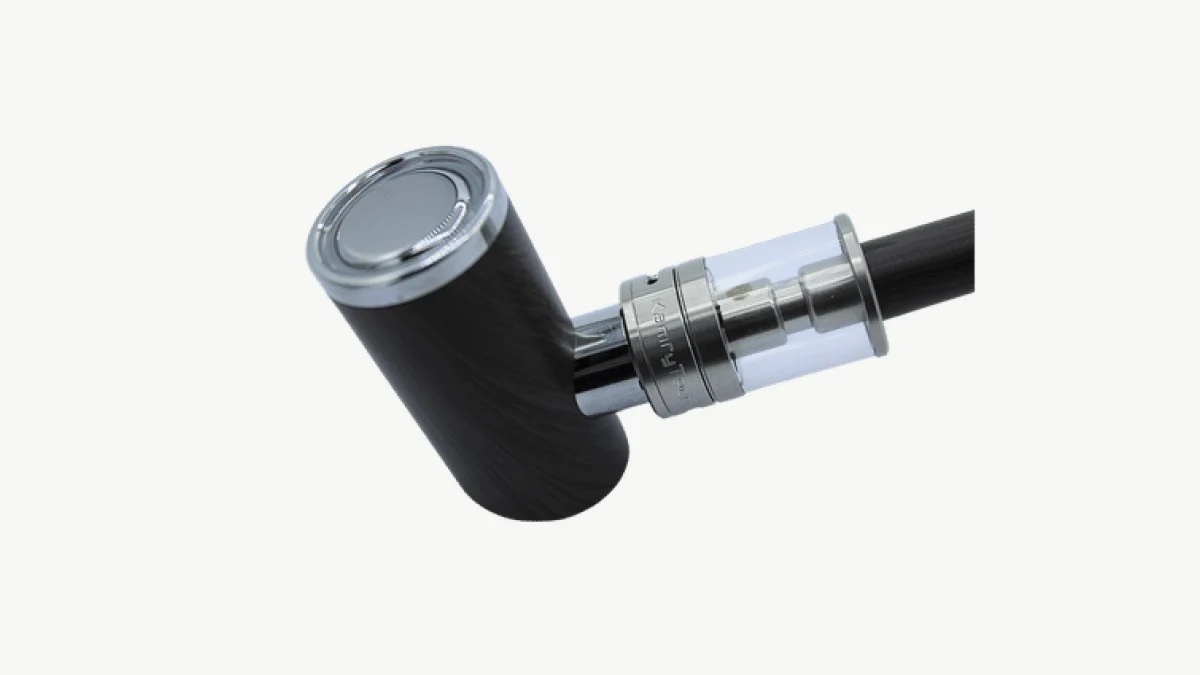
4. Kamry K1000 Plus: power button and indicator lights
The Kamry K1000 Plus uses a built-in battery. Its manual describes five quick presses of the button to switch it on or off. Before assuming the device is faulty, check whether it is simply switched off and follow the charging instructions for your version.
The K1000 Plus manual links some flashing patterns to coil faults or insufficient charge. However, translations of the available manual contain inconsistencies concerning certain light signals. Consult the documentation for your exact device rather than treating a flash count as a universal diagnosis.
For this model, do not attempt to open the body to replace the built-in battery. If the charging socket, button or electronics appear faulty, have the device inspected by a professional.
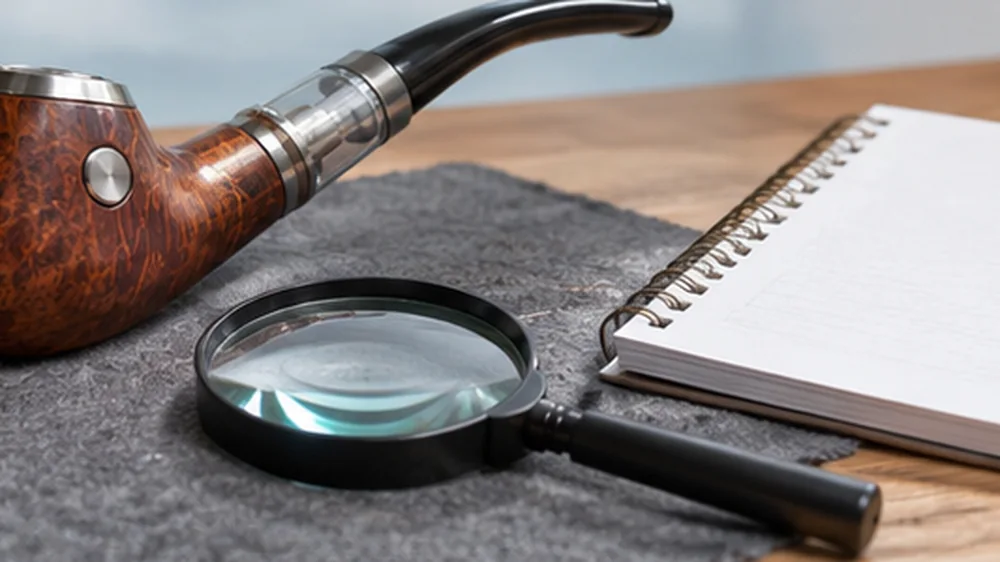
5. Créavap: distinguish mechanical and regulated electronic pipes
Handcrafted Créavap pipes are available in several configurations. Billiard, Bent and Dublin models may use removable battery cells, whereas the Gandalf DNA60 has regulated electronics. Diagnosis must take account of the generation, battery size and firing mechanism.
A mechanical pipe may not provide the electronic protections or error messages found on a regulated device. Never bypass a component, adjust an electrical contact screw at random or try a cell of a different size to overcome a contact problem. The setup must meet the manufacturer’s electrical limits and instructions.
To review assembly steps for relevant models, consult our Créavap e-pipe video tutorials. They supplement, but do not replace, the instructions for the specific version.
6. Clean accessible contacts and check compatibility
A small amount of condensation can collect around a tank. With the device switched off, disconnected and fully cooled, clean only designated accessible surfaces using a soft, dry cloth. Avoid metal tools, solvents and any work on internal electrical parts.
Never immerse a wooden pipe body or electronic assembly in water. If e-liquid enters the battery compartment or internal electronics, stop handling the device and arrange an inspection. A component that screws into place is not necessarily suitable: resistance, dimensions and manufacturer recommendations matter too.
7. When should you stop testing and seek help?
Heating without activation, unexpected firing, a damaged cell, an unusual smell or evidence of liquid inside the electronics all require an immediate stop to use. Do not charge a suspect device. Keep it away from flammable materials and do not attempt to open or repair electrical components yourself.
If basic checks do not identify the problem, record the exact pipe model, battery type, atomiser reference and indicator-light behaviour. These details help a professional locate the fault without risky experiments. E-pipe troubleshooting must always follow the manufacturer’s safety instructions.
FAQ – Electronic pipe troubleshooting
It may be switched off, discharged or affected by poor contact. The correct checks depend on the battery type and exact model.
Flashing may indicate low charge, a coil fault or a protection function. Consult the manual for your version to interpret the indicator.
The coil, atomiser connection or compatibility may be responsible. Switch off and cool the device before checking accessible maintenance parts.
No. The size, condition and discharge characteristics must meet the instructions for your specific pipe version.
Stop immediately if there is overheating, an unusual smell, a damaged battery, e-liquid inside the electronics or unexpected activation. Arrange a professional inspection.