

Post author: Royalcig
Publication date: 17/11/2026
Choosing an electronic cigarette can seem complicated when you are new to vaping. With pods, complete kits, box mods, coils and different inhalation styles, it is not always easy to understand how the devices differ.
Choosing an electronic cigarette can seem complicated when you are new to vaping. With pods, complete kits, box mods, coils and different inhalation styles, it is not always easy to understand how the devices differ.
However, the power or size of an e-cigarette is not enough to tell whether it suits someone's needs. Draw style, battery life, adjustment options and ease of maintenance are all important considerations.
This guide is intended for adult smokers considering vaping as part of an attempt to stop smoking, as well as existing vapers who want to understand their equipment's technical characteristics better.
1. How does an electronic cigarette work?
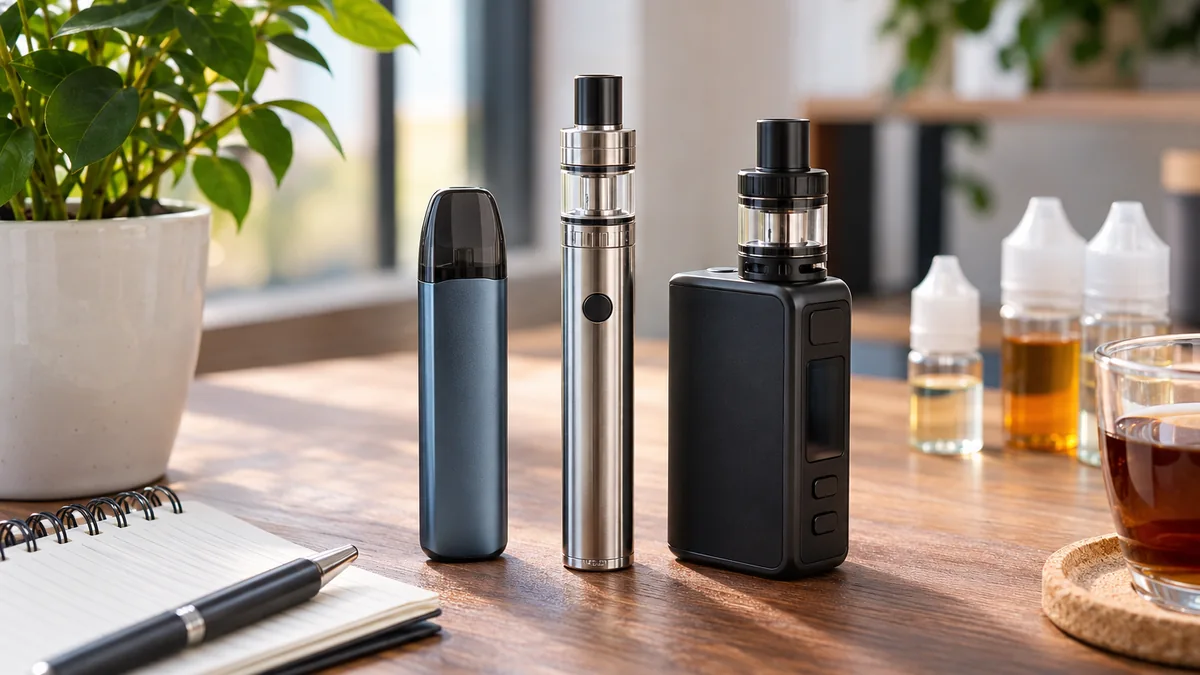
Unlike a conventional cigarette, an electronic cigarette does not burn tobacco. It uses an electrical heating element to warm a liquid and produce an aerosol that the user inhales.
Most devices have four main parts:
- The battery: provides the energy needed to operate the device.
- The tank or cartridge: holds the e-liquid.
- The coil: heats the liquid using a metal element and an absorbent material.
- The mouthpiece: allows the aerosol to be inhaled.
Some models combine several of these parts in a replaceable cartridge. Others have separate components.
Even without combustion, vaping is not without health risks. The aerosol may contain irritating or toxic substances, including when the liquid does not contain nicotine.
2. Pod, pen or box mod: what are the differences?
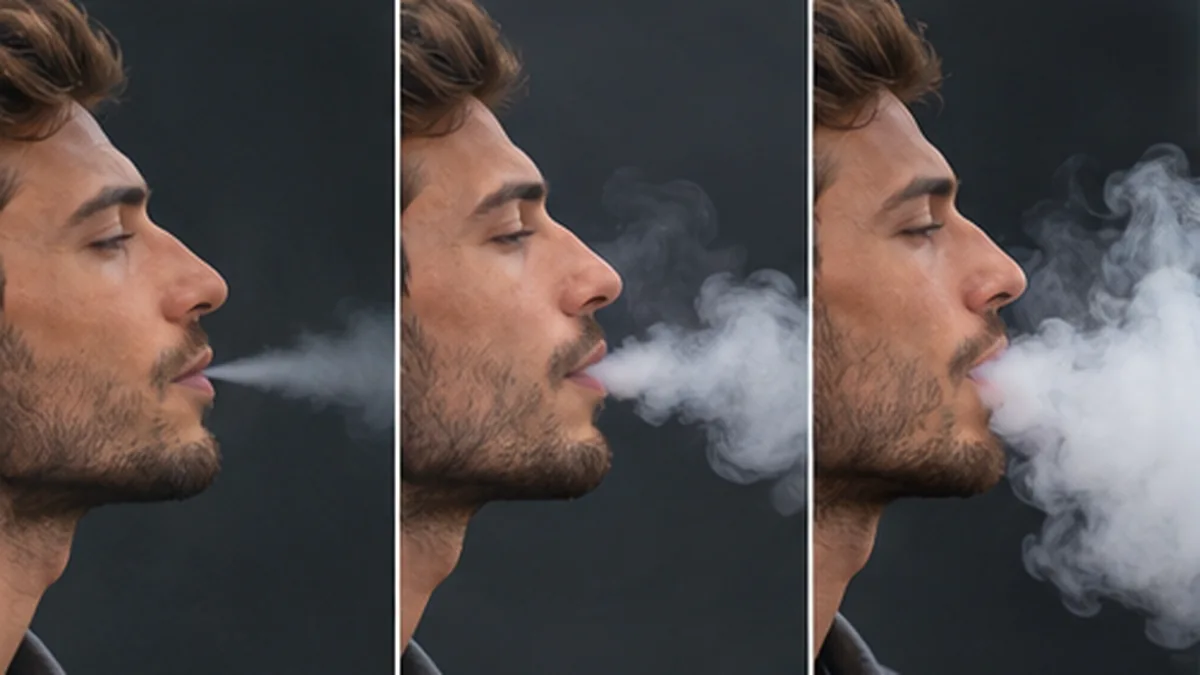
There are several types of electronic cigarette. They work according to the same principle, but their ergonomics and adjustment options vary.
The pod: a compact device
A pod is a small electronic cigarette that uses a refillable or replaceable liquid cartridge.
It is usually straightforward to operate. Some models activate automatically when the user inhales, while others have a button.
Pods often offer:
- A light, compact format.
- A rechargeable built-in battery.
- Few technical settings.
- Cartridges with built-in or replaceable coils.
- A generally tight or moderately airy draw.
Nevertheless, the filling system and availability of compatible cartridges must be checked. Not all cartridges are interchangeable.
The pen kit: a cylindrical format
Tube-style electronic cigarettes have an elongated shape. They generally combine a battery and a tank.
Some models work without complicated settings, while others allow the power to be adjusted.
Their design can offer a compromise between size, battery life and ease of maintenance.
The box mod: more adjustment options
A box mod is an electronic housing that powers a compatible clearomiser or another atomisation system.
Depending on the model, it can allow the power to be adjusted in watts, information to be viewed on a screen and a built-in battery or removable battery cells to be used.
Box mods can suit different types of draw. They are therefore not necessarily designed to produce large amounts of aerosol.
However, devices with many settings require a sound understanding of coils and their permitted power ranges.
3. Tight or airy draw: understanding MTL, RDL and DL
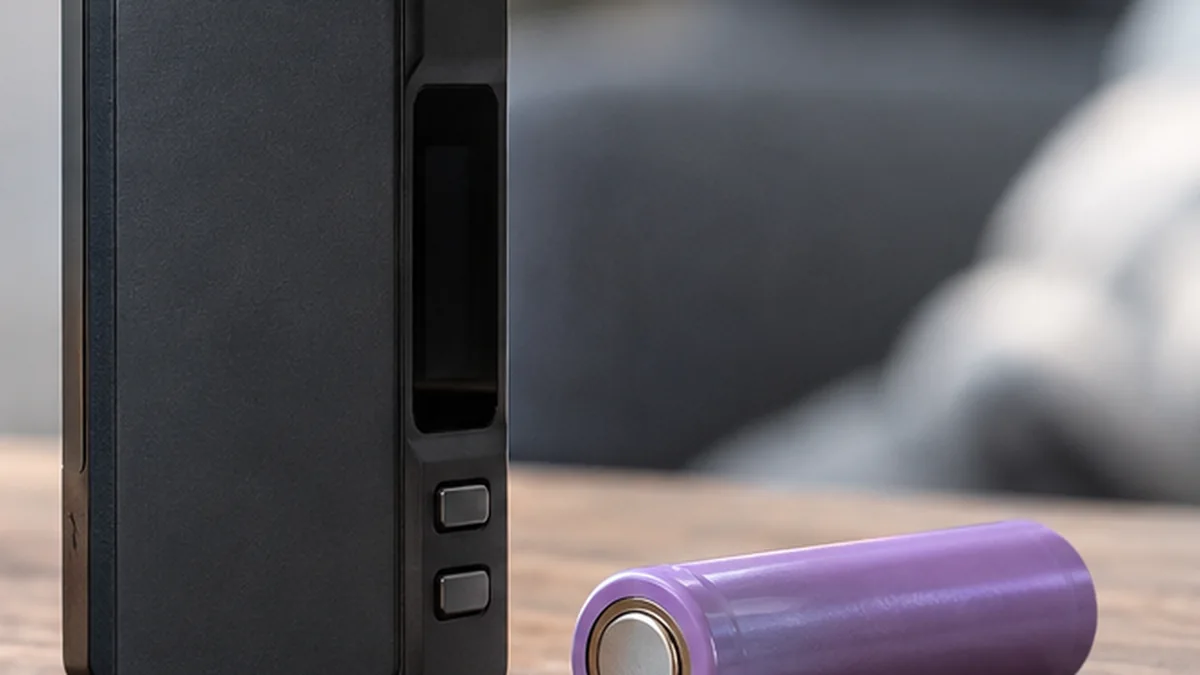
Inhalation style is one of the most important factors in understanding how an electronic cigarette works.
MTL draw: indirect inhalation
MTL stands for Mouth To Lung.
The user first draws aerosol into the mouth and then inhales it into the lungs. This is similar to the action of smoking a conventional cigarette.
An MTL device generally has restricted airflow, relatively low power and moderate liquid consumption.
DL draw: direct inhalation
DL stands for Direct Lung.
The aerosol is inhaled in a single draw, with a greater airflow.
These devices generally operate at higher power with suitable coils. They often use more liquid and energy.
The nicotine concentration must be considered in light of this greater aerosol production.
RDL draw: an intermediate option
RDL stands for Restricted Direct Lung.
It describes a draw that is more open than MTL but less airy than DL.
Some devices have adjustable air intake, known as airflow, which allows the sensation of drawing to be changed.
Key point: draw style does not depend solely on power or coil resistance. Tank design and airflow adjustment also play an essential role.

4. How much battery life should you expect?
An electronic cigarette's battery capacity is measured in milliamp-hours (mAh).
Compact devices may have batteries rated at a few hundred mAh, while other devices exceed 2,000 mAh.
As a general rule, a higher-capacity battery can last longer between charges under comparable conditions of use.
Actual battery life nevertheless depends on several factors:
- The power used, in watts.
- The duration and frequency of puffs.
- The type of coil.
- The battery's condition and age.
- The device's electronic functions.
Thus, a 1,000 mAh battery used at low power can have a different runtime from a device with the same capacity operating at high power.
Built-in battery or removable cell?
A built-in battery is charged directly in the device, usually through a USB-C port.
A removable cell can be taken out and charged using a compatible charger. Extra care is needed concerning its condition, transport and use.
It is important to follow the manufacturer's instructions, never use a damaged battery and avoid leaving charging unattended for extended periods.
5. Coil resistance and power: two essential concepts
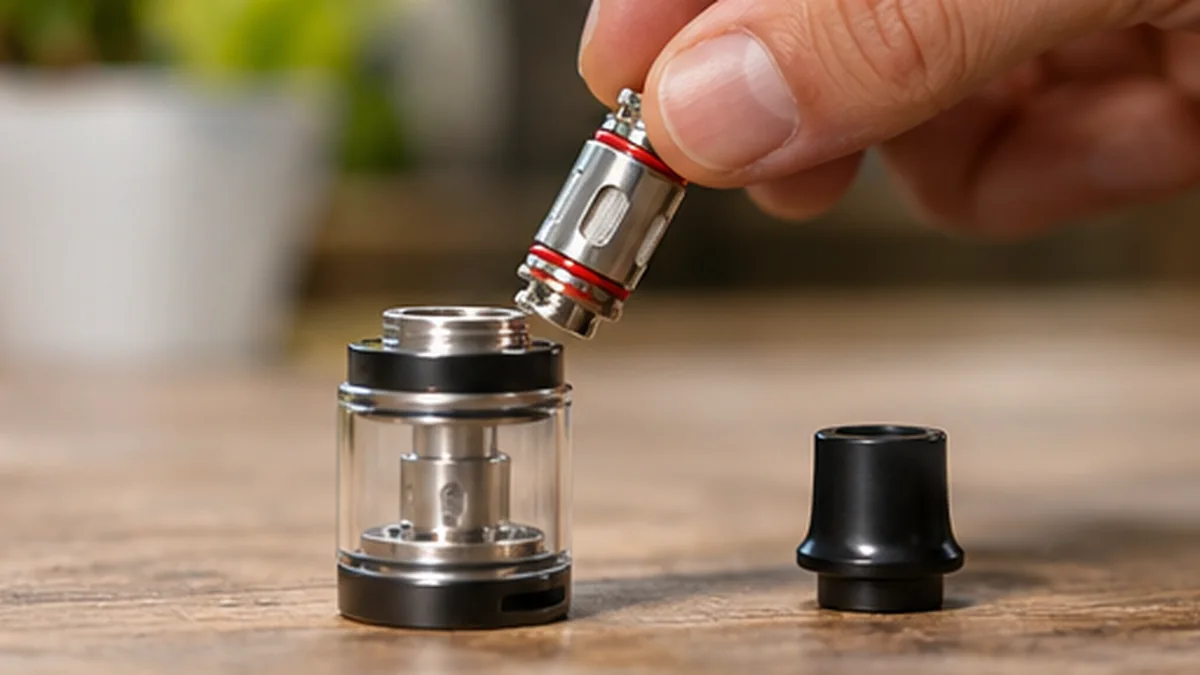
The coil is the element that heats the e-liquid. Its electrical resistance is expressed in ohms (Ω).
This value helps determine the device's operating conditions, but it is not sufficient on its own to define the inhalation style.
As a rough guide:
- Coils around 1 Ω or higher are commonly found in devices with a tight draw.
- Coils around 0.6 Ω can be used in intermediate systems, depending on their design.
- Low-resistance coils, particularly below 0.5 Ω, are often found in more powerful systems.
These figures are not universal rules.
The power range specified by the manufacturer must always be followed. Unsuitable power may cause overheating, damage to the absorbent material or a burnt taste.
Likewise, a coil must be specifically compatible with the tank or cartridge being used.
6. Which e-liquid and nicotine concentration?
Choosing an e-liquid is not just about its flavour.
Composition, viscosity and any nicotine concentration affect how it is used and its compatibility with the device.
Understanding the PG/VG ratio
E-liquids generally use two main ingredients:
Propylene glycol (PG) is a relatively thin liquid that carries flavours and contributes to the sensation felt in the throat.
Vegetable glycerine (VG) is more viscous and contributes to aerosol formation.
A 50/50 PG/VG ratio indicates a balanced proportion of these two components. It is compatible with many devices, but not necessarily all of them.
Liquids with more VG are usually thicker. Some small vapourising systems may struggle to absorb them properly.
Manufacturer guidance on compatible liquids should therefore be checked.
How should nicotine concentration be determined?
For an adult smoker, the amount of nicotine required cannot be determined solely from the number of cigarettes smoked each day.
Other factors are involved:
- The degree of nicotine dependence.
- The type of cigarettes previously smoked.
- Smoking patterns and frequency.
- The vaping device used.
- The power and quantity of liquid consumed.
- Any use of other nicotine treatments.
There is no universal conversion between a number of cigarettes smoked and a nicotine concentration expressed in mg/ml.
An unsuitable strength may cause withdrawal symptoms or, conversely, excessive exposure to nicotine.
When trying to stop smoking, a doctor, pharmacist or smoking-cessation specialist can help assess dependence and determine an appropriate strategy.
What about nicotine salts?
Nicotine salts are another form of nicotine used in some e-liquids.
They may produce a different throat sensation from nicotine in its so-called 'classic' or freebase form.
However, they are not risk-free and may maintain nicotine dependence. Their use must also take into account the device's power and the amount of aerosol it produces.
7. Which criteria matter for different user profiles?
There is no electronic cigarette that is universally suitable for every user.
Several situations can be distinguished when comparing devices.
| Situation | Technical criteria to consider |
|---|---|
| First use by an adult smoker | Simplicity, MTL draw, ease of filling |
| Need for a compact format | Size, weight, battery life, cartridges |
| Frequent use | Actual battery life, charging, maintenance |
| Preference for more precise settings | Adjustable power, airflow, coil compatibility |
| Using an existing device | Availability of parts and compatibility of consumables |
These criteria are technical reference points, not a recommendation to start vaping.
Frequent tobacco use does not automatically mean a powerful device is needed. Nicotine dependence must be distinguished from the technical performance of the equipment.
8. Maintenance: an often-overlooked consideration
An electronic cigarette requires regular maintenance.
Depending on the model's design, it may be necessary to clean the tank, replace a coil or change an entire cartridge.
When should a coil be changed?
Several signs can indicate that a coil is worn:
- An unusual change in taste.
- A persistent burnt taste.
- Aerosol production that has become inconsistent.
- Visible deterioration of materials or a malfunction.
The lifespan of a coil varies according to its design, the liquid used and the frequency of use, among other factors.
There is therefore no single replacement interval that applies to all devices.
How can technical problems be limited?
The manufacturer's instructions should be followed, especially when fitting a new coil.
The tank must contain enough liquid to keep the absorbent material properly supplied.
Leaks, abnormal heating, a swollen battery or unusual operation should lead to the device being taken out of use until the problem has been identified.
Used devices and battery cells must be taken to suitable collection facilities for electronic equipment and batteries.
9. Common mistakes when choosing an electronic cigarette
Focusing on power alone
High power does not mean a device is better suited to a user's needs. It generally leads to greater liquid and energy consumption.
Overlooking replacement parts
An incompatible cartridge or coil makes a device unusable, even when the battery works properly.
The exact reference of its consumables should therefore be checked before selecting a model.
Ignoring the maintenance required
A device with replaceable cartridges and a system with interchangeable coils do not involve the same handling procedures.
Maintenance requirements should be suited to the user's technical knowledge.
Choosing nicotine without considering the equipment
Two devices can deliver different amounts of nicotine from an e-liquid of identical concentration.
The liquid's strength and the device's characteristics must therefore be evaluated together.
Treating vaping as a risk-free practice
An electronic cigarette is not a harmless product. It exposes the user to inhaled substances and, when nicotine is present, a risk of dependence.
10. Can electronic cigarettes help people stop smoking?
Scientific knowledge about vaping has developed over recent years.
A Cochrane systematic review updated in 2026 concludes that, in the studies analysed, nicotine-containing electronic cigarettes helped more adult smokers stop using tobacco for at least six months than the nicotine replacement treatments used as comparators.
These findings concern observed effectiveness in stopping smoking. They do not demonstrate that vaping is harmless.
In its assessment published in 2026, the French agency Anses highlights possible health risks, particularly respiratory and cardiovascular, as well as uncertainties about long-term consequences.
The agency considers that vaping may be envisaged as a temporary solution for some smokers who find it difficult to stop smoking, as part of a cessation process.
The health objective remains to stop tobacco use completely and, ultimately, to stop vaping too.
People who do not smoke should not start vaping. In France, the sale of vaping products to minors is prohibited.
For support with stopping smoking in France, Tabac Info Service can be contacted free of charge on 39 89.
11. Frequently asked questions about choosing an electronic cigarette
To understand the available options, start by comparing ease of use, draw type, battery life and maintenance requirements. Pods are generally less complex to operate than systems with many settings. The choice must nevertheless take account of an adult smoker's individual circumstances.
A pod usually uses a compact cartridge and offers few settings. A box mod is an electronic housing that often allows more customisation, particularly of power and compatible tanks.
There is no minimum capacity that guarantees a full day's use. Battery life depends on the battery, power, and the duration and frequency of puffs.
MTL is indirect inhalation, in which the aerosol passes through the mouth before reaching the lungs. DL is direct inhalation, generally with greater airflow.
These values are common in some tight-draw devices. However, they do not establish a coil's compatibility or performance on their own. The manufacturer's specified models and power ranges must be followed.
No. The liquid's viscosity, PG/VG ratio and any nicotine concentration must suit the characteristics and intended use of the device.
No. In France, selling and distributing prefilled disposable electronic cigarettes that cannot be refilled with liquid has been prohibited since 26 February 2025, even when their battery can be recharged.
No. The absence of combustion eliminates some exposures linked to tobacco smoke, but vaping aerosol may contain toxic substances. Long-term health effects are not yet fully understood.
Conclusion: understanding needs before choosing
Choosing an electronic cigarette involves several technical considerations: draw type, battery, coils, liquid compatibility and maintenance requirements.
Understanding these factors makes it possible to assess the differences between devices more precisely and avoid certain handling mistakes.
For adult smokers considering vaping as part of an attempt to stop smoking, the equipment question must not be separated from nicotine dependence and support for smoking cessation.
Vaping should not be trivialised or encouraged among non-smokers. Stopping tobacco use, with help from healthcare professionals where needed, remains the priority.